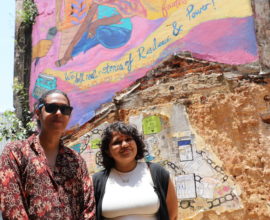
A Mural for Women Journalists from the Fearless Collective
Although Sri Lanka has had its fair share of women editors and journalists for many decades, some who ventured into areas of conflict around the country, the image of a journalist is…

Although Sri Lanka has had its fair share of women editors and journalists for many decades, some who ventured into areas of conflict around the country, the image of a journalist is…
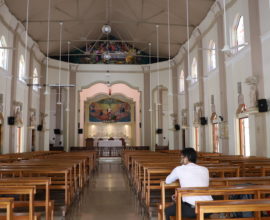
The churches have been restored for congregations to worship and the luxury hotels have been repaired for the elite to dine in but the families of victims are still seeking justice for…
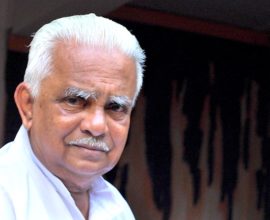
The government’s decision to conduct the funeral of Dr A T Ariyaratne with state honours is a recognition of the contribution that the founder of the Sarvodaya Movement made to the country…
Newscutter What is consent? When it comes to sexual relations, the concept of consent is that it must be between two consenting adults. Currently, the age of consent for girls in Sri…
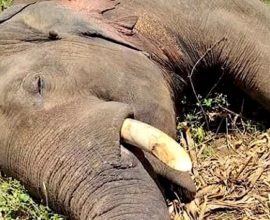
Hakka patas (a cynical Sinhala term which translates as jaw breaker) are small improvised explosive devices, also known as a Homemade Explosive Device (HED), which consist of gun powder, stones, lead and…
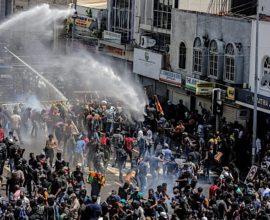
During 30 protests between March 2022 and June 2023, Sri Lanka’s law enforcement personnel did not adhere to international law and standards, using excessive force against peaceful protesters in at least 17…
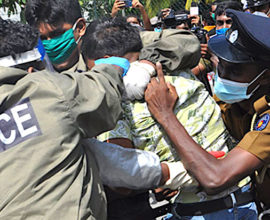
Two years after the aragalaya, which ousted President Gotabaya Rajapaksa in 2022, Sri Lankans are still bearing the brunt of an economic crisis. When President Rajapaksa came to power in November 2019, the…
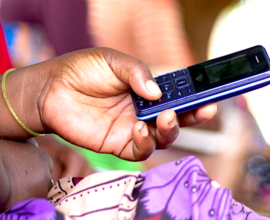
The digital economy can be identified as converting the traditional market into a virtual platform. American scientist D. Tapscott, who is the author of the book titled defines digital economy as a…
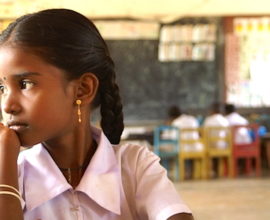
In a progressive move, Sri Lanka has shed ambiguity in its child protection laws with an amendment transforming the Children and Young Persons’ Ordinance into the Children’s Ordinance. Crucially, the amendment raises…
All social science research is done for someone and some purpose. There is no politically neutral social science. The political agenda behind this article is my concern about the fate of the…
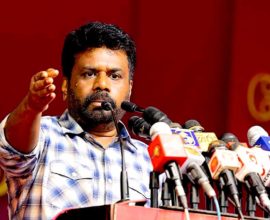
The Institute for Health Policy’s (IHP) Sri Lanka Opinion Tracker Survey (SLOTS) MRP provisional estimates of presidential election voting intent in February 2024 show no real changes compared to January. NPP/JVP leader…
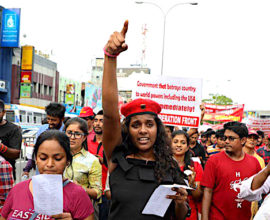
Pre-1971 JVP saw a presence of women cadres that could be considered modest. Before the April 1971 uprising there were full time and part time women cadres active within the movement. The…
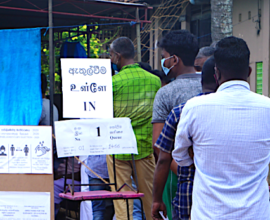
The latest estimates from Institute for Health Policy’s (IHP) SLOTS MRP model show modest increases in support for NPP/JVP and SJB, with weakening support for the UNP and other parties, continuing trends…
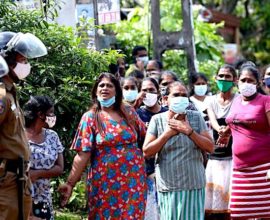
In a landmark development in the pursuit of justice for the victims of the Mahara Prison riots, the Attorney General (AG), on behalf of the Criminal Investigation Department (CID), informed the Court…
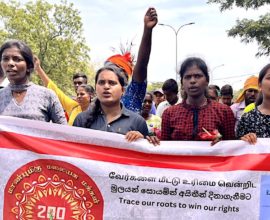
People of Tamil descent raised on plantations have endured a long history of discrimination, exploitation and violence tracing back to the era of colonization. The younger generation, both men and women, expresses…


